


Kuidas hooldada oma patja, et see kauem kestaks (ja millal see välja vahetada)
Su padi kogub igal ööl higi, surnarakke ja tolmulesti. Siin on, kuidas seda puhtana ja toimivana hoida — pluss märgid, et on aeg uus hankida.

By Emma Clarke
Põhipunktid
- —Su padi kogub higi, surnud nahka ja tolmulesti kiiremini kui ükski teine voodipesuese
- —Memory foam padju ei tohi kunagi pesumasinas pesta — puhasta kohapeal ja kuivata õhus
- —Padi, mis on kaotanud oma kuju, on kaotanud võime su kaela toetada
Su padi on räpasem, kui sa arvad
Pärast nädalast kasutamist sisaldab su padi higi, kehaõlisid, surnud naharakke ja miljoneid tolmulesti, kes toituvad kõigest eelnimetatust. Aasta pärast ilma korraliku hoolduseta võib padja kaal suureneda 10–15% kogunenud prahist.
See pole lihtsalt ebameeldiv — see mõjutab otseselt su und. Tolmulestide allergeenid tekitavad ninavoolu ja lagunenud materjalid kaotavad võime su kaela korralikult toetada.
Kuidas oma patja hooldada (materjali järgi)
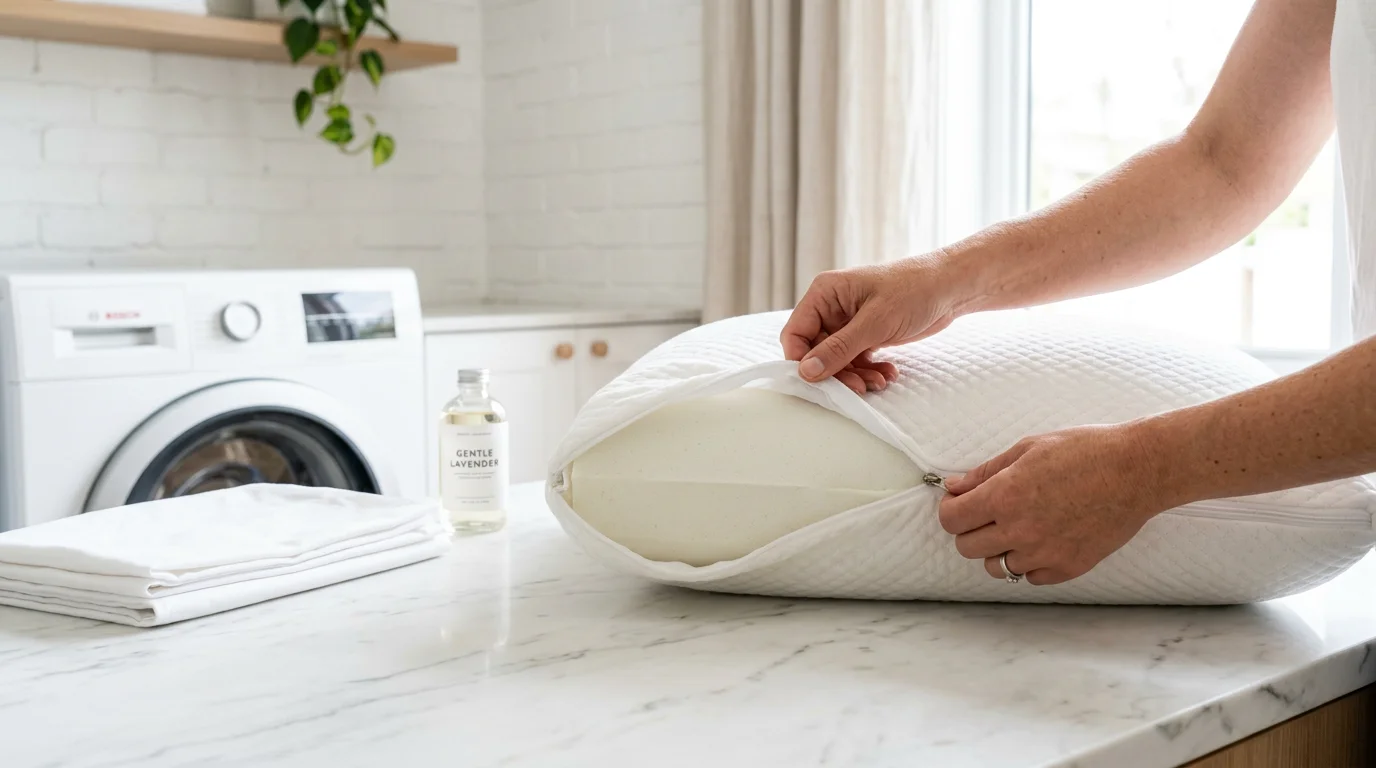
Memory Foam padjad (nagu The Sleepr)
Memory foam ei tohi kunagi pesumasinasse panna. Peksmine lõhub vahtstruktuuri ja rikub toe.
Regulaarne hooldus:
- —Eemalda kate ja pese seda iga 2–3 nädala tagant (pesumasin, õrn programm, soe vesi)
- —Puhasta vahtu kohapeal niiske lapi ja õrna pesuvahendiga
- —Tuuluta vahtu kord kuus hästi ventileeritud kohas — mitte otseses päikesevalguses, mis lagundab materjali
- —Kasuta padjakaitset vahti ja katte vahel lisabarjäärina
The Sleepr kate on pesumasinaga pestav tõmblukuga disainiga lihtsaks eemaldamiseks. Hüpoallergeenne barjäärkiht blokeerib tolmulestidel vahtu jõudmise.
Udusule- ja udusuletäidisega padjad
Neid saab tavaliselt pesumasinas pesta:
- —Õrn programm, soe vesi, õrn pesuvahend
- —Käivita lisaloputsustsükkel, et eemaldada kogu seep
- —Kuivata trummelkuivatis madalal kuumusel kahe puhta tennisepalliga, et tükke lahti lüüa
- —Veendu, et padi on enne kasutamist täiesti kuiv — niiske udusuled tekitavad hallitust
Polüestertäidisega padjad
Pesumasinas pestav, aga kaotab kuju kiiresti olenemata hooldusest:
- —Pese õrnal programmil iga 2–3 kuu tagant
- —Tavaliselt tuleb need välja vahetada iga 6–12 kuu tagant, kuna täidis vajub püsivalt kokku
Padjapüüri hooldus
Su padjapüür on esimene kaitseliin. Pese seda iga nädal — või iga 3–4 päeva tagant, kui sul on akne-aldis nahk.
- —Pesumasinas sooja veega (mitte kuum — kuumus lagundab kiude)
- —Kasuta õrna, lõhnavaba pesuvahendist
- —Väldi pehmendajat, mis jätab jääke, mis püüavad õlisid kinni
- —Kuivata trummelkuivatis madalal kuumusel
Linade ja voodipesu hooldus
Kuni sa oma patja hooldad, hoia ka ülejäänud voodipesu värskena:
- —Linad: pese iganädalaselt sooja veega
- —Madratsikaitse: pese igakuiselt või pärast mahaajamisi
- —Tekk/voodikate: iga 3–6 kuu tagant (kasuta tekikotti, et sagedust vähendada)
- —Madrats: tolmuimeeja igakuiselt, et eemaldada tolmulesti ja praht
Millal padi välja vahetada
Ükski hooldus ei tee patja igaveseks. Siin on, millal on aeg:
Murdmistest: murra oma padi pooleks. Kui see ei tõmbu tagasi, on täidis või vaht kaotanud oma elastsuse ega suuda enam su kaela toetada.
Valutest: kui sa ärkad kaelakangestuse või peavaludega, mis kaovad tunni jooksul pärast tõusmist, on su padi lõpetanud oma töö tegemise.
Visuaalne test: nähtavad lamedad kohad, püsivad lohud või kollestumine, mis ei pese välja.
Materjali järgi:
- —Polüestertäidis: 6–12 kuud
- —Udusuled/udusuletäidis: 1–2 aastat
- —Tavaline memory foam: 1–2 aastat
- —Kõrge tihedusega memory foam (nagu The Sleepr): 2–3 aastat
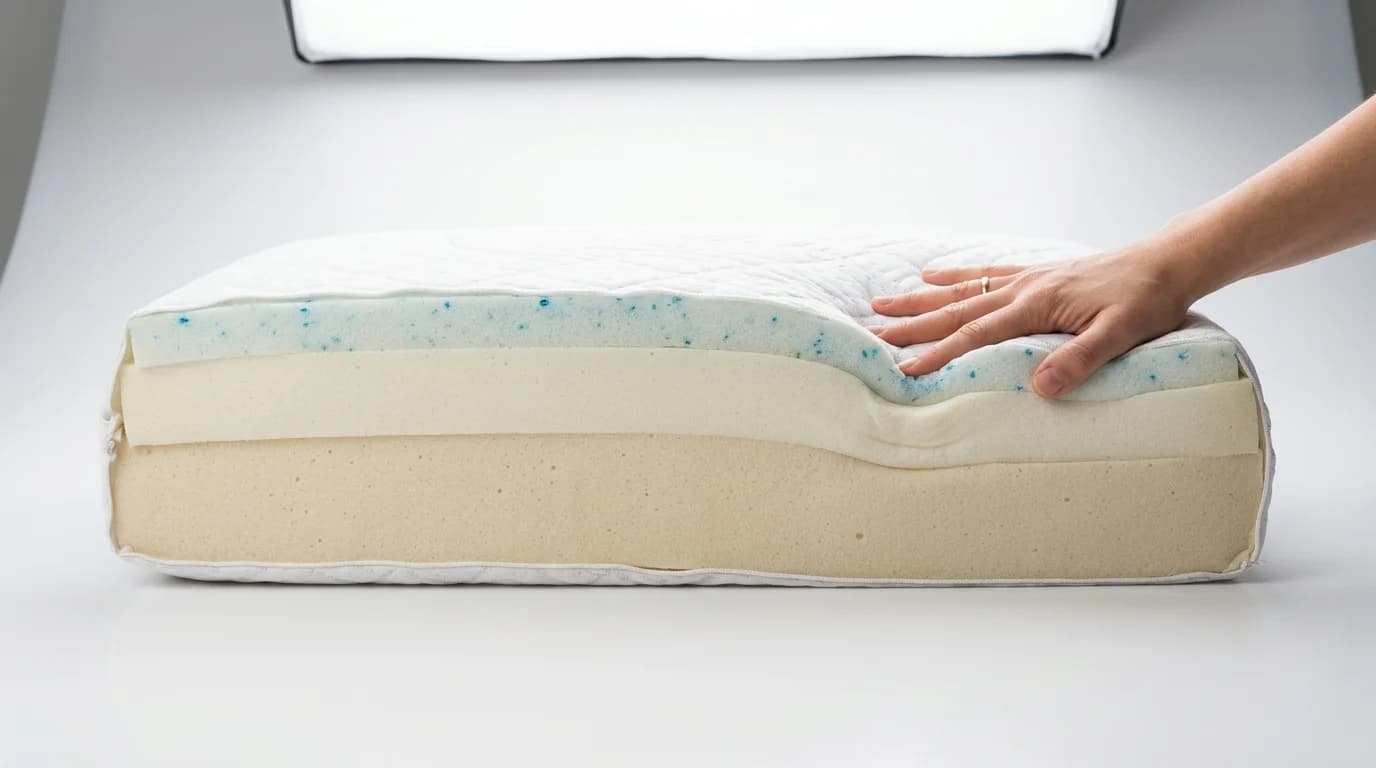
Erinevus kasutuseas tuleneb vahtihedusest. The Sleepr kasutab 4–5 lb/ft³ tihedusega vahtu, mis peab püsivale kokkuvajumisele kauem vastu kui odavad alternatiivid.
Kokkuvõte
Padja hooldamine pole ainult hügieen — see on toe säilitamine, mis hoiab su kaela joondatuna ja und katkematuna. Pese katet regulaarselt, kaitse vahtu ja vaheta padi välja, kui see enam kuju ei hoia. Su kael tänab sind igal hommikul.
5 min lugemist