


Miks sportlased kohtlevad und kui treeningut (ja sina peaksid ka)
Uni on spordi kõige alahinnatum soorituse tööriist. Kasvuhormoon, lihaste taastumine, reaktsiooniaeg — kõik sõltuvad su puhkuse kvaliteedist. Siin on, kuidas seda optimeerida.

By Dr. Sarah Mitchell

Reviewed by Emma Clarke
Põhipunktid
- —75% igapäevasest kasvuhormooni toodangust toimub sügava une ajal — jäta see vahele ja su lihased ei saa taastuda
- —Sportlased, kes magavad alla 8 tunni, vigastavad end 1,7 korda tõenäolisemalt
- —Unekvaliteet loeb rohkem kui une kestus — 7 tundi katkematut und lööb 9 tundi katkendlikku und
Uni ei ole taastumine. Uni on koht, kus taastumine toimub.
Professionaalsed spordimeeskonnad palkavad nüüd unetreenereid kõrvuti füüsiliste treeneritega. Põhjus: uuringud näitavad järjepidevalt, et unekvaliteedil on sooritusel suurem mõju kui peaaegu ühelgi treeningmuutujal.
Stanfordi uuring leidis, et korvpallurid, kes pikendasid oma und, parandasid sprindiajad 4%, vabaviskega täpsust 9% ja teatasid paremast füüsilisest ja vaimsest heaolust üleüldiselt.
Sa ei pea olema profisportlane, et see sind puudutaks. Kui sa treenid regulaarselt — kas või 3–4 korda nädalas — mõjutab su unekvaliteet otseselt seda, kui kiiresti sa taastud ja kui tugevana sa tagasi tuled.
Mis toimub su kehaga sügava une ajal
Lihaste taastumine ja kasvuhormoon
Su hüpofüüs eritab sügava une ajal kasvuhormooni — kuni 75% su päevasest toodangust. See hormoon juhib lihaskoe taastamist, luutiheduse hoidmist, rasva ainevahetust ja rakkude regeneratsiooni.
Kui sa ärkad kaelakangestusega ja su sügav uni on fragmenteeritud, kaotad sa sõna otseses mõttes akna, mil su keha teeb oma kõige olulisemat parandustööd.
Põletik väheneb
Uni reguleerib põletikunäitajaid nagu C-reaktiivne valk ja IL-6. Halb uni tõstab süsteemset põletikku, mis aeglustab taastumist ja suurendab ülekoormusvigastuste riski. Kõigile, kes treenivad kõvasti, on krooniline madala taseme põletik progressi vaenlane.
Energiavarud täituvad
Su lihased täiendavad glükogeeni — su peamist kütust kõrge intensiivsusega harjutusteks — une ajal. Ebapiisav uni tähendab, et alustad järgmist treeningut tühjendatud energiavaruga enne, kui sa oled soojendustki teinud.
Halva une hind aktiivsetele inimestele
Uuringud näitavad selgeid negatiivseid mõjusid isegi mõõduka unepuuduse korral:
- —Reaktsiooniaeg langeb kuni 300% pärast ühte halva une ööd
- —Vastupidavus väheneb kuni 30% kogunenud unepuudusega
- —Vigastusrisk tõuseb 1,7 korda sportlastel, kes magavad alla 8 tunni
- —Taastumisaeg vigastustest on 40% pikem ebapiisava une korral
Kuidas su padi mõjutab sportlikku taastumist
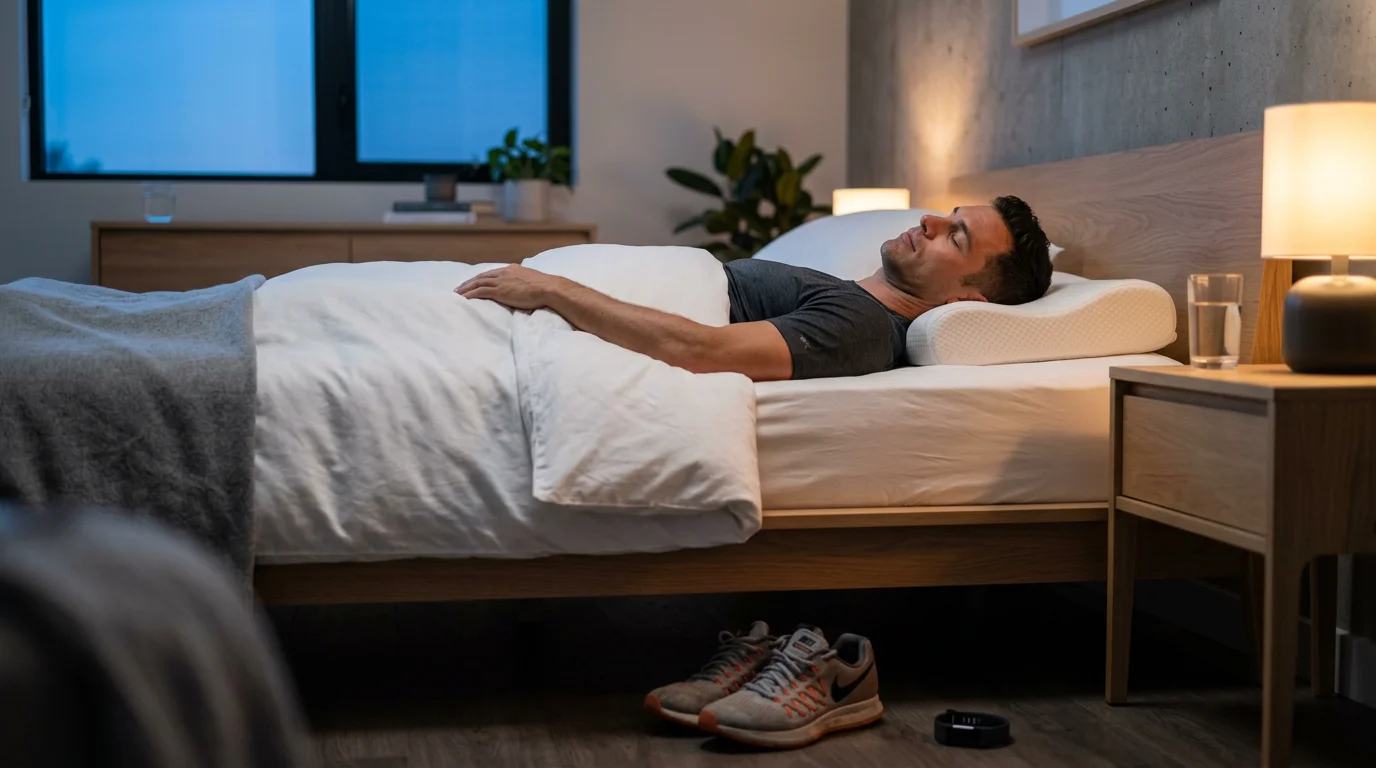
Siin on seos, mida enamik inimesi ei märka: kui su padi tekitab kaela- või õlapinget, ei jõua sa sügava une faasidesse, kus taastumine tegelikult toimub.
Sportlased liiguvad öösel palju. Sa vahetad asendit, keerad, nihkud. Padi, mis töötab ainult ühes asendis — või üks, mis vajub mõne kuu kasutusega lamedaks — tekitab just selliseid mikrohäireid, mis fragmenteerivad su und ilma, et sa seda kunagi mõistaksid.
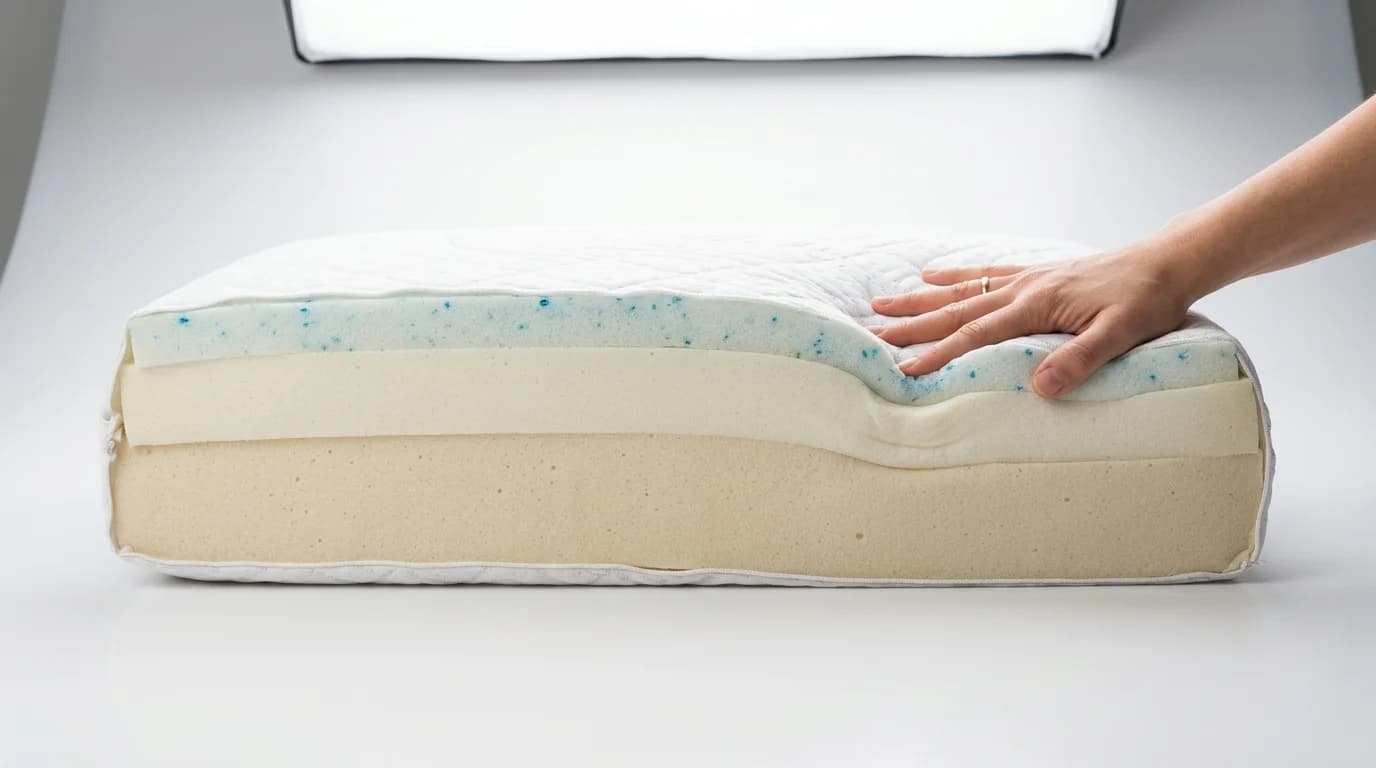
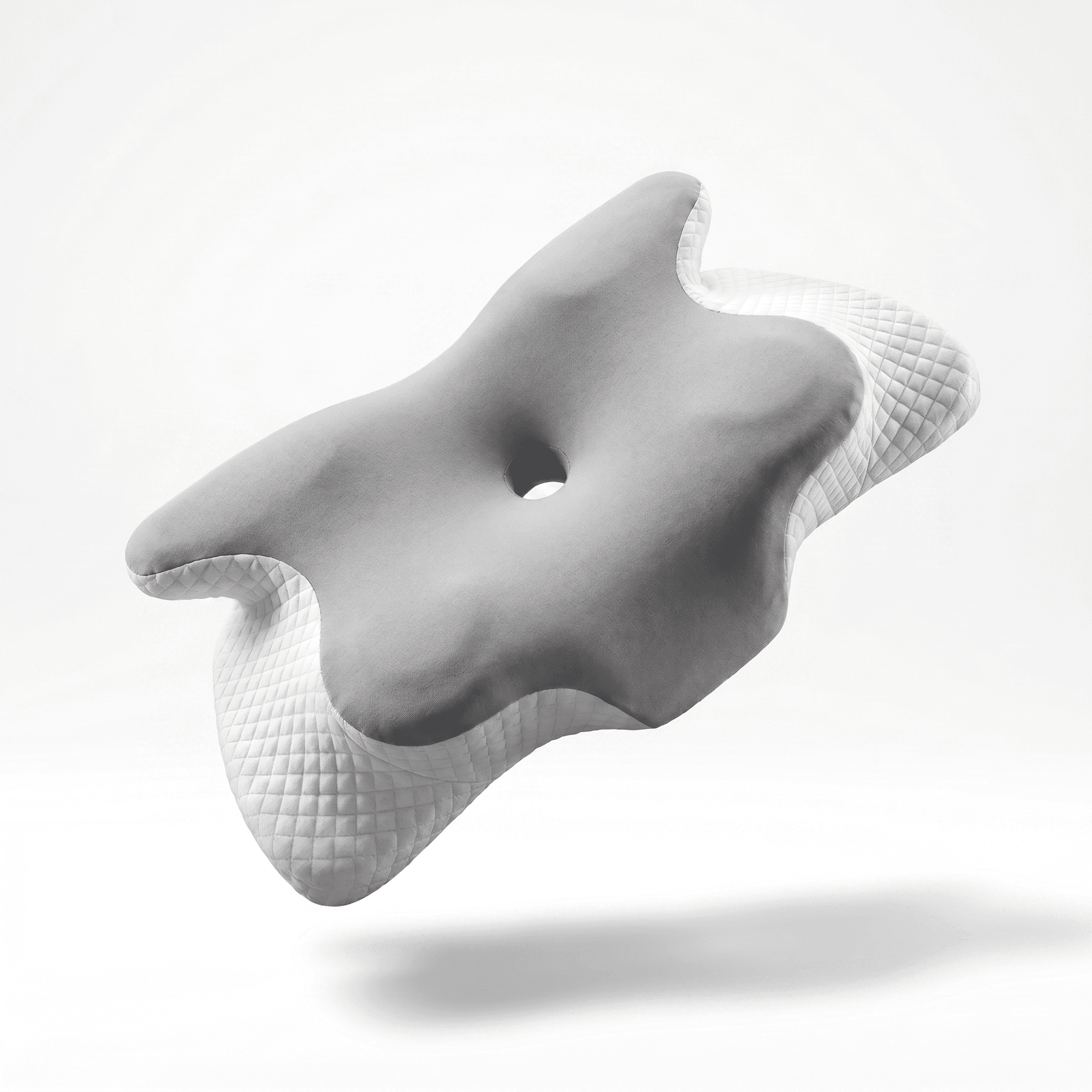
The Sleepr butterfly contour on just selle jaoks loodud. Tiibade tsoonid kohanduvad erinevatele magamisasenditele, nii et sa säilitad lülisamba kaelalüli joonduse, olenemata sellest, kas sa keerad selili, küljele või kõhuli. Kõrge tihedusega memory foam hoiab aastaid kuju ja cooling geelkiht takistab soojuse kogunemist, mis häirib kõrgema ainevahetusega inimeste und.
5 unestrateegiat aktiivsetele inimestele
- Sea prioriteediks 8–9 tundi — Aktiivsed inimesed vajavad piisavaks taastumiseks rohkem und kui istuva eluviisiga inimesed
- Uinu targalt — 20–30-minutiline uinak enne kella 15 võib tõsta pärastlõunast sooritust ilma öist und mõjutamata
- Ajasta oma treeningud — Väldi intensiivset treeningut 3 tunni jooksul enne magamaminekut
- Treeningu-järgne valk — Valgurikas suupiste 1–2 tundi enne und toetab öist lihaste sünteesi
- Paranda oma kaela joondus — Investeeri padjasse, mis hoiab su selgroogu neutraalsena igas asendis. Taastumine algab katkematust sügavast unest
Kokkuvõte
Uni pole passiivne puhkus — see on aeg, mil su keha teeb oma kõige olulisemat parandustööd. Kui sa treenid kõvasti, aga magad halvasti, jätad sooritust lauale. Paranda oma unekvaliteeti, alustades sellest, millel su pea iga öö 8 tundi puhkab, ja kõik muu paraneb.
7 min lugemist